

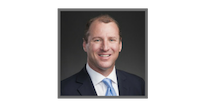
We care for patients who are Medicare Beneficiaries however we have "Opted Out" of Medicare
Reimbursement from Medicare has continued to decline precipitously over the years making it no longer feasible to provide high quality, specialty care to patients. Dr. Millett has elected to opt out of Medicare in order to provide the patient-centric care, with the highest quality and personalized experience, that his patients have come to know and expect.
What does "Opting Out of Medicare" mean for Dr. Millett's patients?
Full disclosure:
Dr. Millett's opting out is fully disclosed to all patients up front, and patients then have the choice to seek care with Dr. Millett or to go to another physician.
Full Financial Responsibility:
Fees:
Supplemental Insurance:
Required Private Contract
Does Medicare pay anything?
Yes, Medicare typically continues to pay for the associated costs even if your surgeon has opted out. You only pay Dr Millett's professional fees.
When a physician like Dr. Millett opts out, the "opt-out" status applies specifically to the professional fees for his personal services. Other entities involved in your care—such as the hospital or the anesthesia group—maintain their own independent relationship with Medicare.
Here is how Medicare generally handles the different components of your surgery:
Hospital & Facility Fees:
Medicare (Part A for inpatient or Part B for outpatient) generally covers the facility's costs, including the operating room, recovery room, and nursing care, provided the hospital participates in Medicare.
Anesthesia:
Fees from the anesthesiologist or CRNA are usually covered under Part B (outpatient) or Part A (inpatient), as long as that physician has not also opted out of Medicare.
Implants & Supplies:
Cost of surgical implants, medical devices, and necessary supplies used during the procedure is typically bundled into the hospital or facility's reimbursement and covered by Medicare.
Laboratory & Imaging:
Diagnostic tests, blood work, and X-rays ordered by an opt-out physician are still covered by Medicare, provided the physician has included their NPI on their opt-out affidavit.
Physical Therapy & Medication: Post-operative physical therapy and medications administered in the hospital are generally covered under standard Medicare benefit rules.
Crucial Note:
You must sign a private contract with Dr. Millett acknowledging that you are 100% responsible for his specific professional fees and that neither of you will bill Medicare for those fees.
Summary of Coverage for Related Services
| Service Type | Medicare Coverage Status | Key Conditions |
|---|---|---|
| Hospital Stay | Covered | The hospital must be a Medicare-enrolled facility (most are). |
| Anesthesia | Covered | The anesthesiologist must accept Medicare and cannot be part of the surgeon's private opt-out contract. |
| Implants | Covered | Typically bundled into the hospital's facility fee (Part A) or covered under Part B if medically necessary. |
| Physical Therapy | Covered | Covered under Part B if deemed medically necessary, even if the referral came from an opt-out doctor. |
| Prescriptions | Covered | Part D plans generally cover drugs prescribed by opt-out providers. |
